Legacy
The FBA Legacy
Foundational Black Americans built this nation — in its fields, its courts, its concert halls, and its battlefields. This page honors the people, moments, and contributions that define our enduring legacy.
Featured Legacy
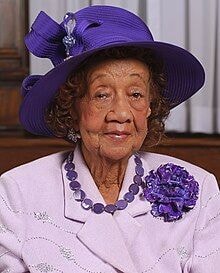
1912–2010
Dr. Dorothy Height
Civil Rights & Women's Rights Leader
Civil-rights and women's-rights leader who served for decades as president of the National Council of Negro Women. She worked alongside Dr. Martin Luther King Jr., helped organize the March on Washington, and dedicated her life to the advancement of Black women and families in America. Awarded the Presidential Medal of Freedom and the Congressional Gold Medal.
Notable Figures
50 Historically Significant Foundational Black Americans
Every person on this list is a Foundational Black American — a Black American whose ancestral lineage is rooted in the United States prior to the end of the Civil War. Their stories are the story of America itself.
Era
Contribution
Location
19 of 19 figures shown
1912–2010
Dr. Dorothy Height
Civil Rights & Women's Rights Leader
Civil-rights and women's-rights leader who served for decades as president of the National Council of Negro Women. She worked alongside Dr. Martin Luther King J…
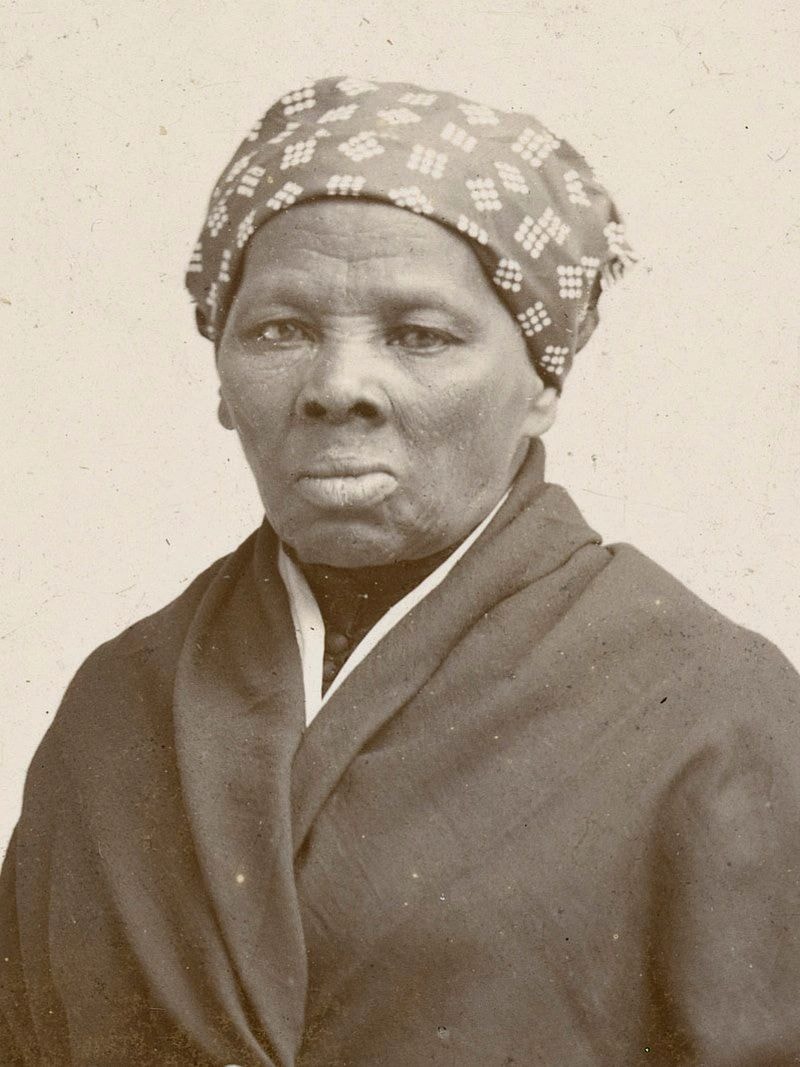
c. 1822–1913
Harriet Tubman
Abolitionist, Underground Railroad Conductor & Union Spy
Abolitionist, Underground Railroad conductor, Union Army scout and spy, and lifelong advocate for freedom and women's suffrage. She escaped slavery and returned…
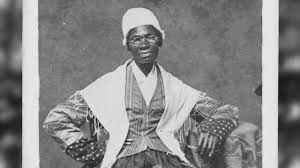
c. 1797–1883
Sojourner Truth
Abolitionist & Women's Rights Activist
Born into slavery in New York, she escaped to freedom and became one of the most powerful voices for abolition and women's rights. Her 1851 speech 'Ain't I a Wo…
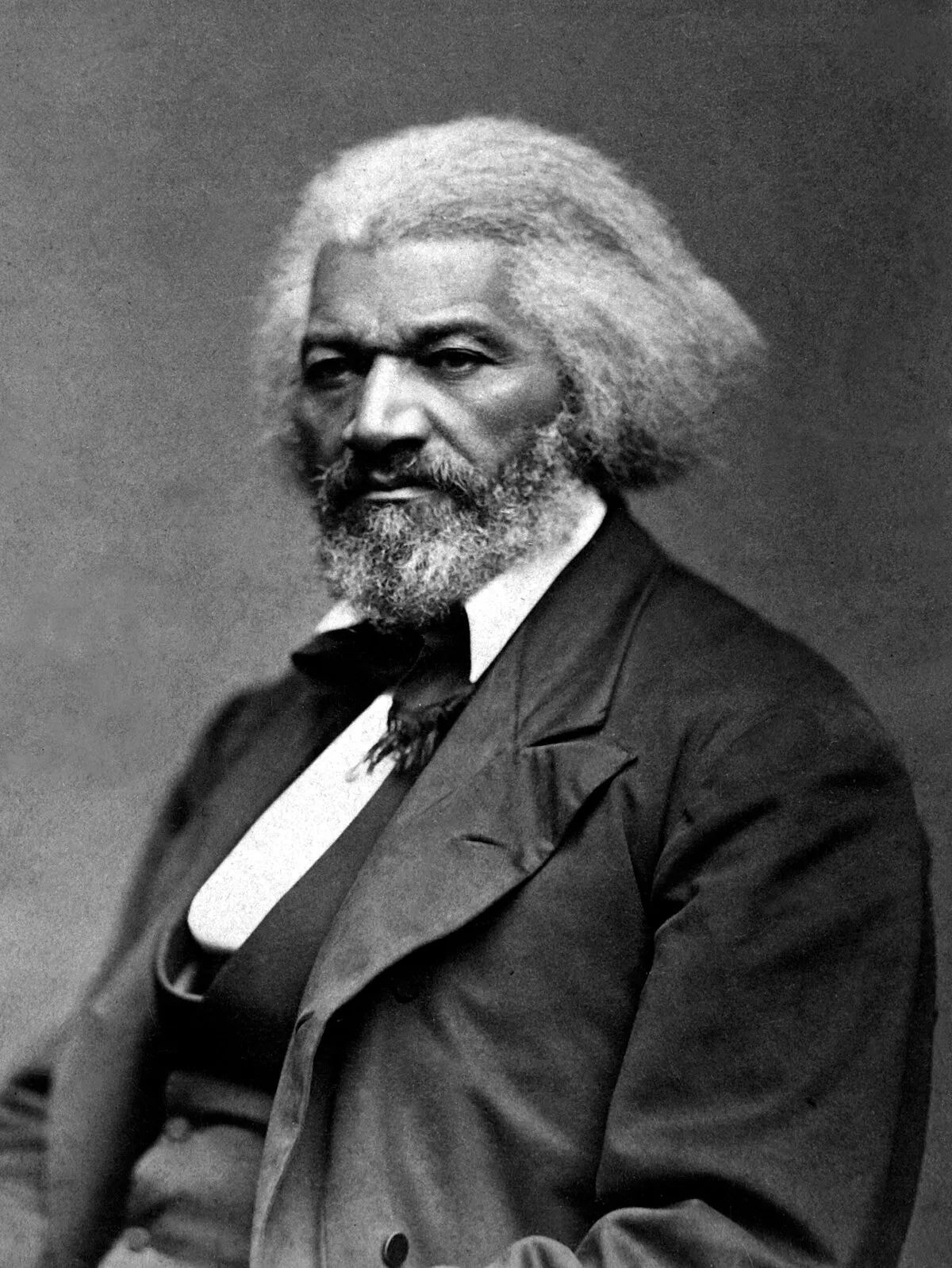
c. 1818–1895
Frederick Douglass
Abolitionist, Orator & Statesman
Escaped enslaved man who became the foremost abolitionist and civil rights leader of the 19th century. His autobiographies, speeches, and journalism shaped the …
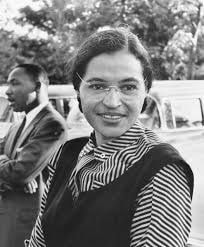
1913–2005
Rosa Parks
Civil Rights Activist
Her refusal to give up her bus seat in Montgomery, Alabama in 1955 sparked the Montgomery Bus Boycott and became a defining moment of the Civil Rights Movement.…
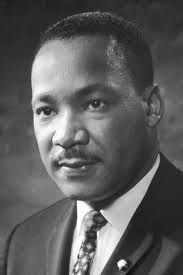
1929–1968
Martin Luther King Jr.
Civil Rights Leader & Minister
Baptist minister and civil rights leader who led the movement to end racial segregation through nonviolent resistance. His 'I Have a Dream' speech and leadershi…
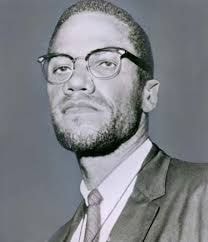
1925–1965
Malcolm X
Civil Rights Leader & Black Nationalist
Minister and human rights activist who articulated Black pride, self-determination, and the right to self-defense. His evolution from Nation of Islam minister t…
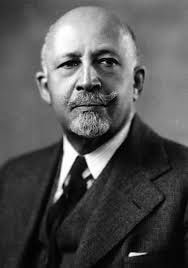
1868–1963
W.E.B. Du Bois
Scholar, Activist & Co-founder of the NAACP
Sociologist, historian, and civil rights activist who co-founded the NAACP and wrote 'The Souls of Black Folk.' His concept of 'double consciousness' remains fo…
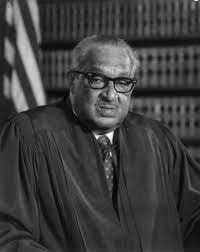
1908–1993
Thurgood Marshall
Civil Rights Attorney & Supreme Court Justice
Civil rights attorney who argued and won Brown v. Board of Education before the Supreme Court. He later became the first Black Associate Justice of the Supreme …
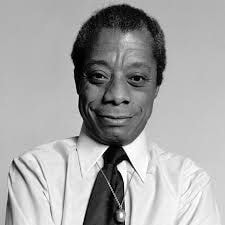
1924–1987
James Baldwin
Author & Social Critic
Novelist, playwright, and essayist whose works — including 'Go Tell It on the Mountain,' 'The Fire Next Time,' and 'Notes of a Native Son' — explored race, sexu…
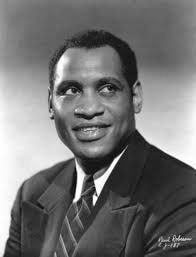
1898–1976
Paul Robeson
Actor, Singer & Activist
Concert singer, actor, and political activist who used his international fame to advocate for civil rights and anti-colonialism. His passport was revoked by the…
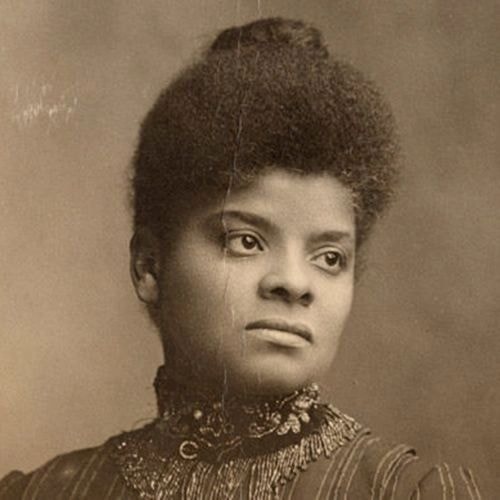
1862–1931
Ida B. Wells-Barnett
Journalist & Anti-Lynching Crusader
Investigative journalist and civil rights activist who led a decades-long anti-lynching campaign. She co-founded the NAACP and the National Association of Color…
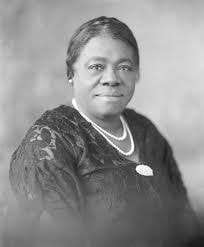
1875–1955
Mary McLeod Bethune
Educator & Institution Builder
Educator and civil rights leader who founded Bethune-Cookman University and served as an advisor to President Franklin D. Roosevelt. She was the first Black wom…
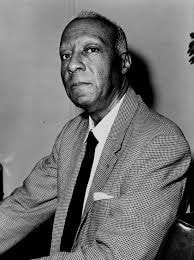
1889–1979
A. Philip Randolph
Labor Leader & Civil Rights Activist
Labor and civil rights leader who organized the Brotherhood of Sleeping Car Porters, the first predominantly Black labor union chartered by the AFL. He organize…
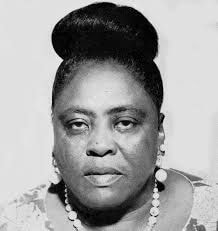
1917–1977
Fannie Lou Hamer
Voting Rights Activist
Sharecropper turned voting rights activist who co-founded the Mississippi Freedom Democratic Party. Her testimony before the 1964 Democratic National Convention…
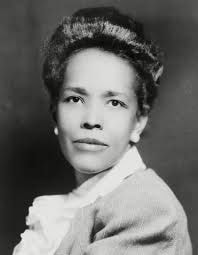
1903–1986
Ella Baker
Civil Rights Organizer
Grassroots organizer who worked with the NAACP, SCLC, and helped found SNCC. She believed in developing local leadership rather than relying on charismatic figu…
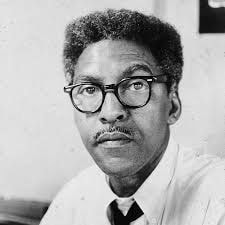
1912–1987
Bayard Rustin
Civil Rights Strategist
Chief organizer of the 1963 March on Washington and a key advisor to Martin Luther King Jr. on nonviolent strategy. His open homosexuality led to his marginaliz…
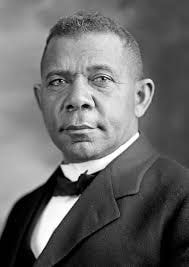
1856–1915
Booker T. Washington
Educator & Institution Builder
Founder of Tuskegee Institute and the most prominent Black leader of the late 19th and early 20th centuries. His philosophy of economic self-reliance and vocati…
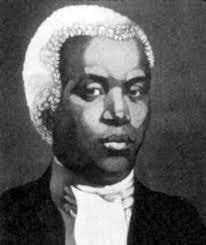
1731–1806
Benjamin Banneker
Mathematician, Astronomer & Surveyor
Self-taught mathematician and astronomer who published almanacs and helped survey the boundaries of Washington, D.C. He corresponded with Thomas Jefferson, chal…
Complete Directory
50 Historically Significant FBAs
Founded the African Methodist Episcopal Church — the first independent Black denomination in the United States.
Ask About This PersonLed the most significant slave rebellion in American history in Southampton County, Virginia.
Ask About This PersonFreed enslaved man who planned one of the most elaborate slave revolts in American history.
Ask About This PersonBlacksmith who organized a large slave rebellion in Virginia in 1800.
Ask About This PersonEnslaved man whose Supreme Court case became a landmark in the history of American slavery and citizenship.
Ask About This PersonFirst Black U.S. Senator, representing Mississippi during Reconstruction.
Ask About This PersonSecond Black U.S. Senator and the first to serve a full term, representing Mississippi.
Ask About This PersonFirst Black American elected to public office and first dean of Howard University Law School.
Ask About This PersonFirst Black governor in U.S. history, serving as acting governor of Louisiana during Reconstruction.
Ask About This PersonHighest-ranking Black officer in the U.S. Army before World War I, forced into retirement to prevent his promotion to general.
Ask About This PersonArctic explorer who co-discovered the North Pole with Robert Peary in 1909.
Ask About This PersonFirst female self-made millionaire in America, built a hair care empire and was a major philanthropist.
Ask About This PersonFirst Black heavyweight boxing champion of the world, whose victories and defiance of racial norms made him a lightning rod for racial violence.
Ask About This PersonJamaican-born Black nationalist who founded the Universal Negro Improvement Association and inspired the Back-to-Africa movement.
Ask About This PersonPoet, novelist, and playwright who was a central figure of the Harlem Renaissance.
Ask About This PersonAnthropologist and author whose novel 'Their Eyes Were Watching God' is a landmark of American literature.
Ask About This PersonPhysician and medical researcher who pioneered blood banking and the large-scale use of blood plasma.
Ask About This PersonNAACP field secretary in Mississippi who was assassinated in his driveway in 1963.
Ask About This PersonFirst Black woman elected to Congress and first Black candidate for a major party's presidential nomination.
Ask About This PersonSNCC leader, Freedom Rider, and congressman who was beaten on the Edmund Pettus Bridge on Bloody Sunday.
Ask About This PersonChairman of the Illinois Black Panther Party who built a multiracial coalition and was assassinated by the FBI and Chicago police.
Ask About This PersonTeenager who refused to give up her bus seat nine months before Rosa Parks, a forgotten pioneer of the Montgomery Bus Boycott.
Ask About This PersonCo-founder of SNCC and key strategist of the Nashville sit-ins and Freedom Rides.
Ask About This PersonNAACP chapter president who advocated armed self-defense and influenced the Black Power movement.
Ask About This Person'Mother of the Movement' who developed citizenship schools that taught literacy and civic engagement across the South.
Ask About This PersonVoting rights activist whose beating on Bloody Sunday was photographed and broadcast worldwide, galvanizing support for the Voting Rights Act.
Ask About This PersonDetroit physician who defended his home against a white mob in 1925 in a landmark case argued by Clarence Darrow.
Ask About This PersonInventor known as the 'Black Edison' who held more than 50 patents, including the multiplex telegraph.
Ask About This PersonInventor and engineer who developed a longer-lasting carbon filament for the light bulb and worked with both Edison and Bell.
Ask About This PersonSurgeon who performed one of the first successful open-heart surgeries in 1893 and founded Provident Hospital.
Ask About This PersonFirst Black woman to earn a pilot's license, becoming an international aviation celebrity who inspired generations.
Ask About This PersonTimeline
A Timeline of FBA History
From the first Africans arriving on American shores to the landmark legislation of the Civil Rights era, this timeline traces the arc of the FBA story.
First Africans Arrive at Point Comfort
The first Africans arrive in English colonial Virginia, marking the beginning of the FBA lineage in what would become the United States.
Declaration of Independence
The founding document declares 'all men are created equal' — a promise that FBAs would spend centuries demanding be fulfilled.
Transatlantic Slave Trade Abolished
The U.S. bans the importation of enslaved Africans, though domestic slavery and the internal slave trade continue.
Emancipation Proclamation
President Lincoln issues the Emancipation Proclamation, freeing enslaved people in Confederate states and transforming the Civil War into a war for freedom.
13th Amendment Ratified
Slavery is formally abolished throughout the United States with the ratification of the 13th Amendment.
14th Amendment Ratified
Citizenship is granted to all persons born or naturalized in the United States, including formerly enslaved people.
Brown v. Board of Education
The Supreme Court unanimously rules that racial segregation in public schools is unconstitutional, overturning Plessy v. Ferguson.
Voting Rights Act Signed
President Johnson signs the Voting Rights Act, prohibiting discriminatory voting practices and transforming American democracy.
Civil Rights
The Civil Rights Movement
The Civil Rights Movement was not a single moment but a decades-long struggle waged by Foundational Black Americans against the legal architecture of white supremacy. From the Montgomery Bus Boycott to the March on Washington, from the sit-ins to the Freedom Rides, FBAs organized, marched, bled, and died to make America live up to its founding promises.
The movement produced landmark legislation — the Civil Rights Act of 1964 and the Voting Rights Act of 1965 — but its deeper legacy is the moral transformation of American society and the model of nonviolent resistance it gave to freedom movements around the world.
Montgomery Bus Boycott (1955–1956)
A 381-day boycott of the Montgomery, Alabama bus system that ended segregation on city buses and launched Martin Luther King Jr. to national prominence.
The March on Washington (1963)
250,000 people gathered at the Lincoln Memorial where King delivered his 'I Have a Dream' speech, the most celebrated address in American history.
Bloody Sunday (1965)
600 marchers were beaten by state troopers on the Edmund Pettus Bridge in Selma, Alabama. The images shocked the nation and accelerated passage of the Voting Rights Act.
Culture
FBA Cultural Contributions
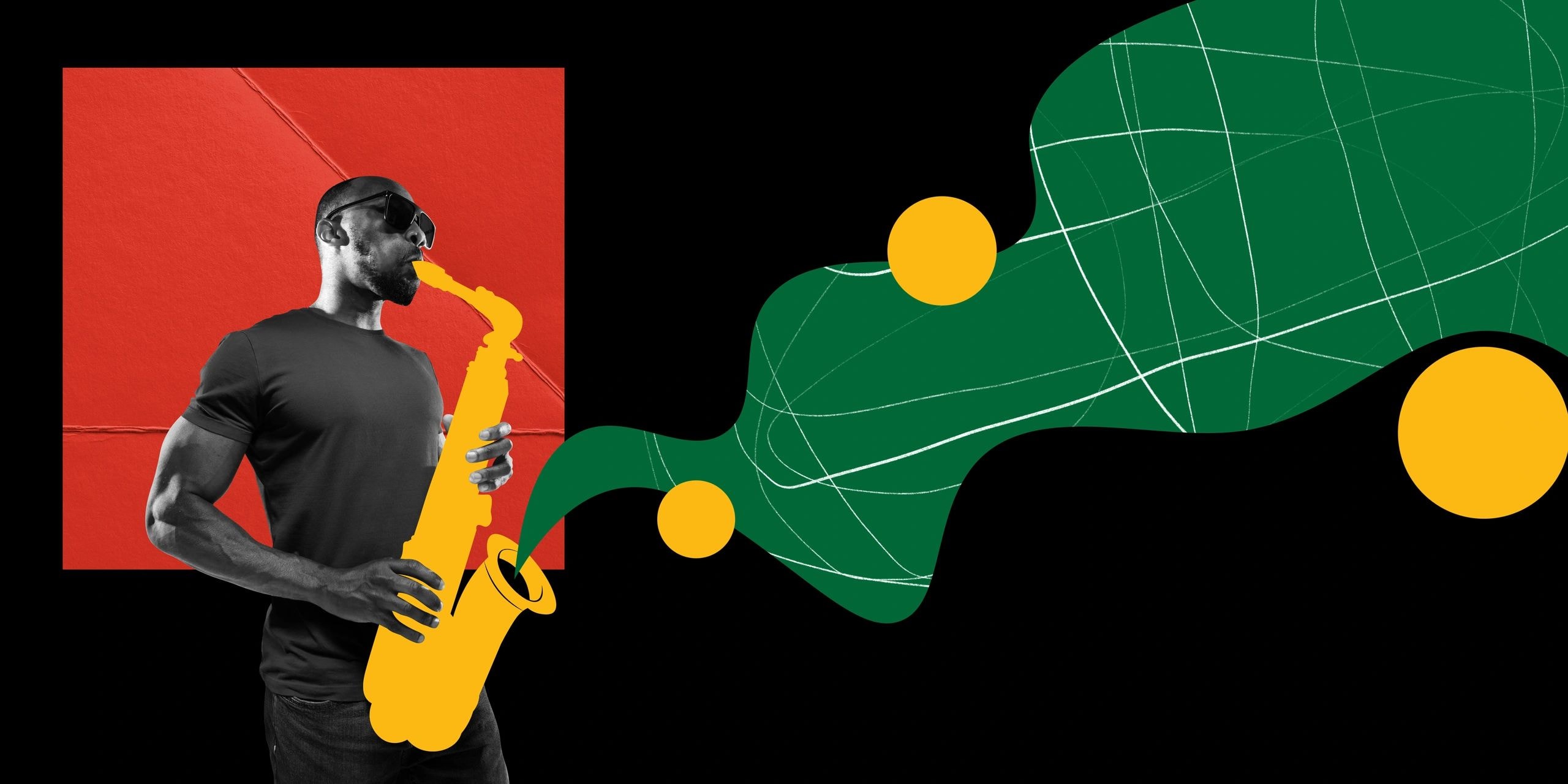
Foundational Black Americans created the most distinctive and influential cultural forms in American history. Jazz, blues, gospel, hip-hop, rock and roll — these are FBA inventions that became the soundtrack of the world.
In literature, visual art, film, and dance, FBAs transformed American culture while navigating the constraints of a society that denied their full humanity. The Harlem Renaissance, the Black Arts Movement, and the ongoing tradition of Black excellence in every creative field are testaments to an unbreakable creative spirit.
Jazz & Blues
Born in the American South and perfected in cities like New Orleans, Chicago, and New York, jazz and blues are the foundational musical languages of the 20th century.
ExploreThe Harlem Renaissance
A flowering of Black artistic, literary, and intellectual life in 1920s New York that produced enduring works by Hughes, Hurston, Cullen, and dozens of others.
ExploreHip-Hop
Born in the South Bronx in the 1970s, hip-hop became the dominant global youth culture of the late 20th and early 21st centuries — a direct descendant of the African oral tradition.
ExploreMilitary Service
FBA Military Service
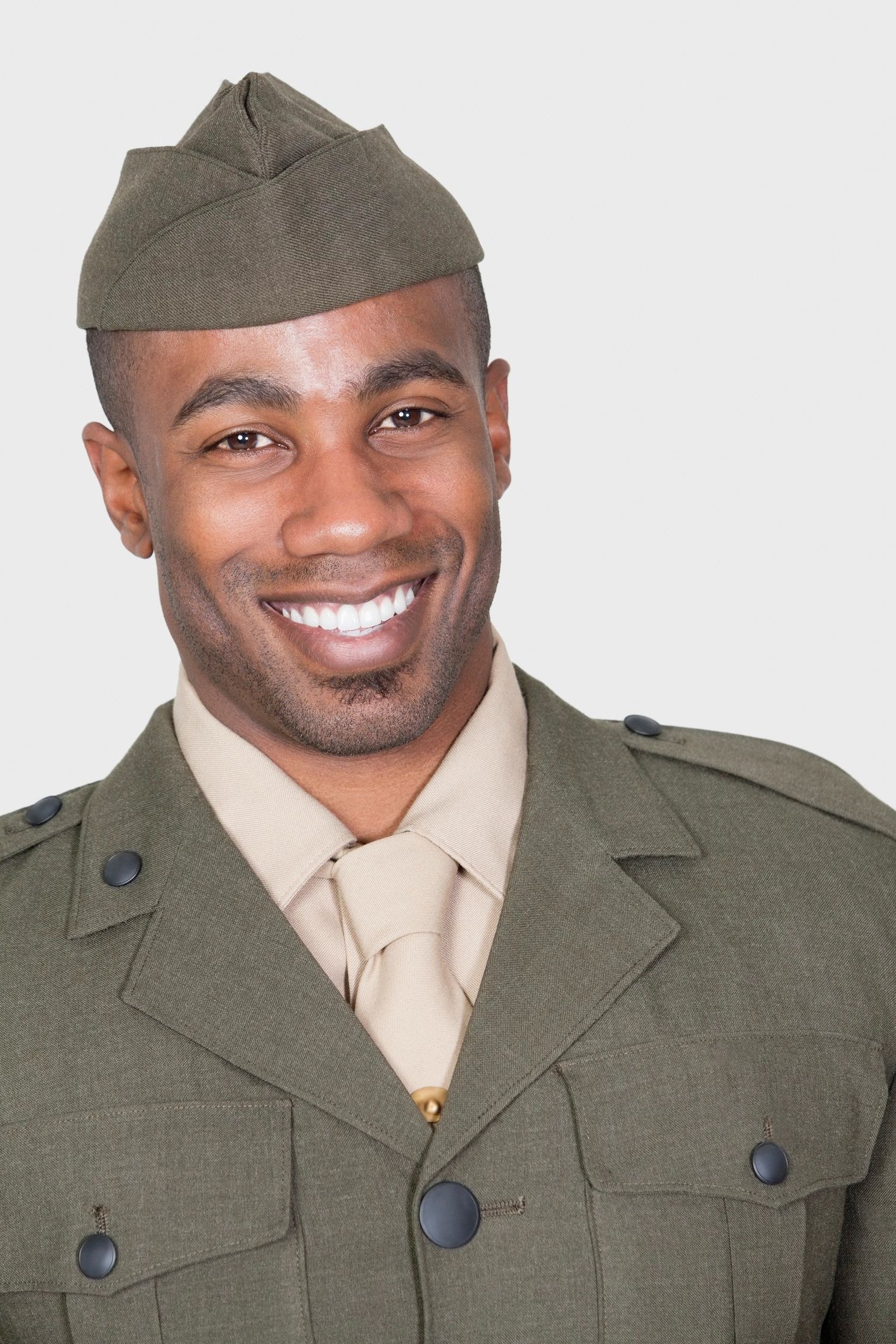
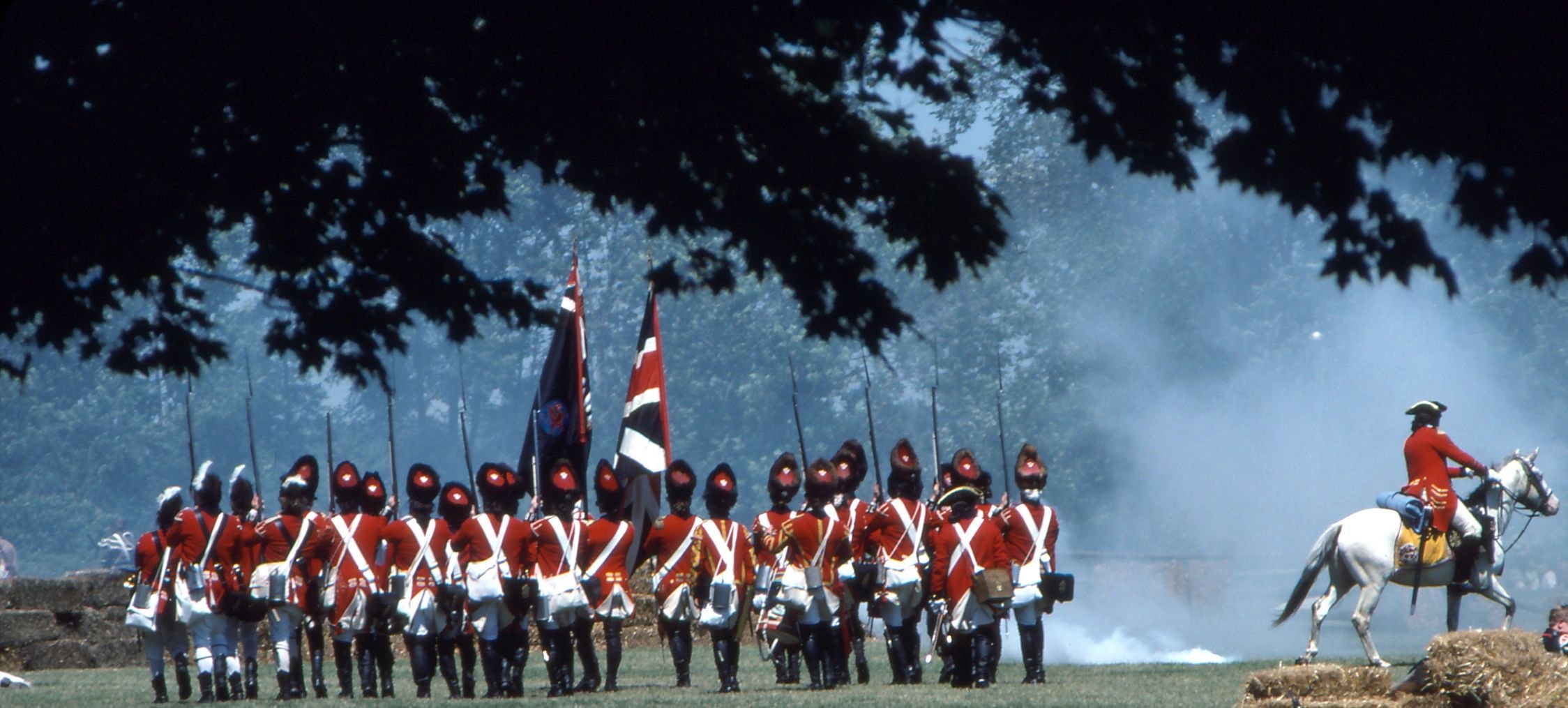
Foundational Black Americans have served in every American war, from the Revolutionary War to the present day — often fighting for a country that denied them the rights they were defending. Their service record is one of extraordinary valor in the face of extraordinary injustice.
From the 54th Massachusetts Infantry to the Tuskegee Airmen, from the Buffalo Soldiers to the Triple Nickles, FBA military units compiled distinguished combat records while fighting segregation within the ranks.

1863–1865
54th Massachusetts Infantry
One of the first official Black units in the U.S. Army, whose assault on Fort Wagner became a symbol of Black courage and sacrifice.
Explore1866–1944
Buffalo Soldiers
Black cavalry and infantry regiments who served on the Western frontier, in Cuba, the Philippines, and both World Wars.
Explore1941–1946
Tuskegee Airmen
The first Black military aviators in the U.S. Army Air Corps, who compiled a distinguished combat record in World War II and helped desegregate the military.
ExploreOral Histories
Voices of the Legacy
The FBA legacy lives in the words passed down through generations — in churches and kitchens, on porches and in letters. These voices speak across time.

We are not what we are told we are. We are what we have always been — builders, thinkers, fighters, and dreamers.
— FBA Oral History Archive
My grandmother told me: 'Remember where you come from, because that's where your strength is.'
— FBA Community Submission
The history they didn't teach us in school is the history that explains everything about who we are.
— FBA Oral History Archive
Share Your Story
Share Your StoryPrimary Sources
Documents of the Legacy
The FBA legacy is documented in primary sources — legal records, letters, speeches, and official documents — that bear witness to both the injustices endured and the achievements won.
The Emancipation Proclamation (1863)
President Lincoln's executive order freeing enslaved people in Confederate states, transforming the Civil War into a war for human freedom.
The 13th Amendment (1865)
The constitutional amendment formally abolishing slavery throughout the United States.
Brown v. Board of Education (1954)
The Supreme Court's unanimous ruling that racial segregation in public schools is unconstitutional.